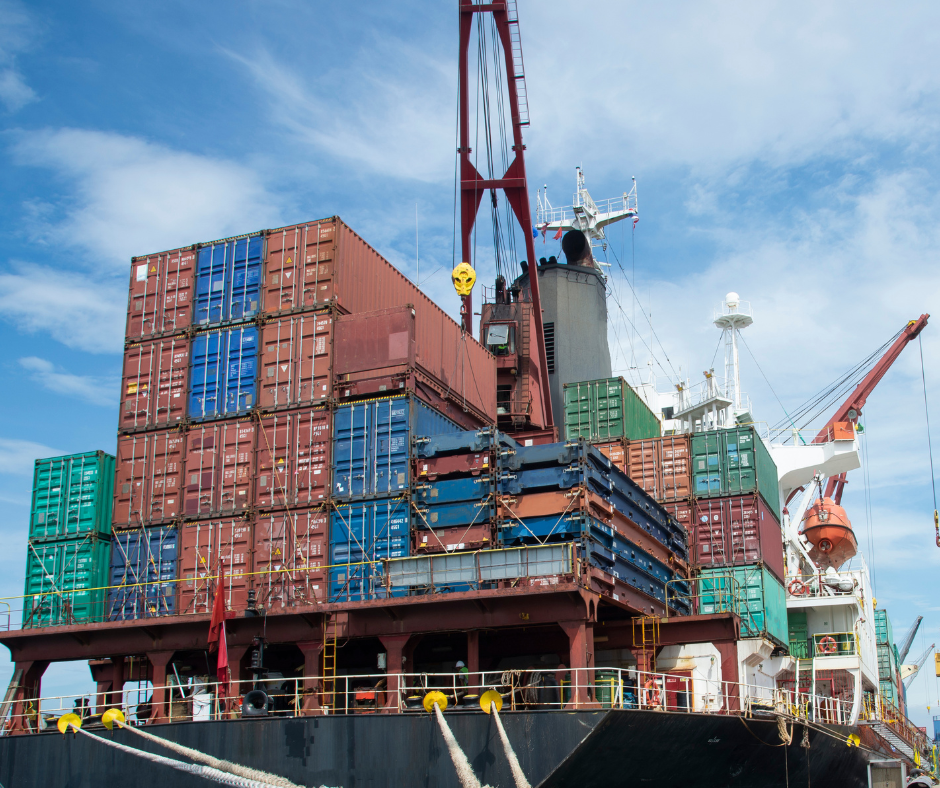
Business Owners Are Feeling the Pressure of Tariffs
What Business Owners Need to Know and How to Respond
As a Fractional CFO and business advisor, I work closely with growth‑minded companies across Florida and beyond. Many of my clients are facing unprecedented challenges due to tariffs. One business owner client recently received a $38,000 tariff bill simply because their manufacturing parts are sourced from China. This is not an isolated case. Across industries, tariffs are reshaping the way businesses operate, forcing owners to rethink supply chains, financial strategies, and long‑term planning.
The Current Tariff Landscape
According to Gartner, 95 percent of organizations have increased investment in supply chain analytics, with most planning to spend even more over the next two years to strengthen resilience amid volatility. Tariffs are a major catalyst for this shift. Sudden changes in trade policy have disrupted sourcing decisions, raising the cost of operating a business, and exposing many businesses who are in a vulnerable position with their traditional supply chain models.
In 2025, tariffs have been imposed on a wide range of goods, from electronics and textiles to food products and machinery. Canada and Mexico continue to face steep duties on steel and aluminum, while China has been hit with broad tariffs on consumer goods and manufacturing inputs. Even the European Union is now in focus, with potential duties on high‑end products. These measures where designed to protect US companies and manufacturing, but have put the heaviest burden on small and midsized businesses that lack the resources to absorb sudden cost increases.
How Tariffs Impact Businesses
For smaller enterprises, the challenges are particularly acute:
Rising costs: Imported materials and goods are more expensive, squeezing margins to points where businesses are having to make major cuts in other areas to make ends meet.
Supply chain disruptions: Businesses relying on “just‑in‑time” inventory struggle to keep shelves stocked and now are waiting three times longer for products.
Customer price sensitivity: Many businesses feel that solution to tariff hikes is passing costs to consumers but face the risk of losing them to competitors.
Operational strain: Compliance and trade regulations add complexity for companies without global expertise.
Export risks: Retaliatory tariffs from other countries threaten access to international markets.
Why Flexibility Matters
In a recent Forbes article, today’s tariffs pressures are now being coined: The Great Supply Chain Reset, and it has shown that rigidity fails under pressure, while flexibility thrives. Companies still relying on spreadsheets or siloed systems often find themselves blindsided by compliance issues, delays, and mounting costs. By contrast, organizations that run on cloud platforms with real‑time partner collaboration can pivot quickly. When tariffs shift overnight, they can reroute shipments, renegotiate contracts, or reallocate inventory. We see that digital supply chains are helping with a new level of resilience, enabling fast decisions, even quicker responses, and secure collaboration across global networks.
Strategies to Protect Your Business
From my perspective as a CFO and advisor, there are several practical steps business owners can take to navigate this environment.
Build a Stronger Supply Chain
Explore suppliers in countries less affected by tariffs.
Consider nearshoring to Mexico or Canada, or reshoring production to the U.S.
Use Foreign Trade Zones to delay or reduce tariff payments.
Investigate “tariff engineering,” where minor product modifications can qualify for lower rates. Basically this involves legally redesigning products by changing materials, adjusting assembly, or breaking items into components so they qualify for lower duty rates without altering their core functionality.
Strengthen Your Financial Position
Cut costs with precision, not panic. Ruthless cost‑cutting can damage your brand, but smart trimming in non‑essential areas preserves quality and keeps customers loyal while protecting margins.
Where can you reduce some of your biggest expenses? A CFO can help you dive in and look at your expenses and find areas for savings.
Turn currency swings into strategy. If you’re trading internationally, hedging could help to shield against volatility. Lock in stability so you can focus on growth instead of firefighting.
Cash flow is still king. Negotiate harder with suppliers, keep reserves ready, and use forecasting tools to stay ahead of sudden shocks. Liquidity buys you time, options, and peace of mind when tariffs or costs spike overnight.
Stay On Top of Regulations
Work with customs brokers. Lean on experts who do this every day. They’ll help you avoid costly mistakes and keep shipments moving smoothly.
Bring in trade attorneys. Think of them as your legal translators. They’ll break down complex regulations into plain English and give you options so you’re not blindsided by compliance issues.
Keep an eye on updates from U.S. Customs. Policies can shift overnight, and staying informed means you can react quickly instead of scrambling. A quick weekly check‑in can save you from big surprises.
Adjust Your Market Strategy
One of the most effective ways to safeguard your business against tariff volatility is to diversify into new markets. Relying too heavily on regions impacted by tariffs leaves companies exposed, so exploring domestic opportunities or expanding into less affected international markets can reduce risk. At the same time, businesses should lean into what makes them unique beyond price. Highlighting these differentiators helps maintain customer loyalty even when costs rise. Customers are often willing to pay a premium when they see clear value, and positioning your business around strengths other than cost creates resilience in competitive markets.
Equally important is developing contingency plans for different tariff scenarios allows you to react quickly rather than scramble when new duties are announced. By combining market diversification, a strong value proposition, active advocacy, and thoughtful scenario planning, business owners can move from a defensive game plan to a proactive strategy.
Coping with Tariff Challenges
Tariffs are undeniably concerning and impacting businesses, but they also create opportunities for businesses willing to dive in and explore the possibilities. Companies that invest in technology, strengthen supply chains, and manage finances proactively can come out strong. For example, diversifying revenue streams, such as adding new services or products, can add an extra cushion against tariff impacts. Collaborating with peers for bulk purchasing or shared logistics can reduce costs and build resilience.
Moving Forward
Tariffs are now a business reality. Owners who take proactive steps today will be better positioned to withstand that future impacts. As a Fractional CFO, my role is to help clients navigate these complexities, protect margins, and uncover opportunities to actually grow in the face of tough economic issues. Tariffs may be challenging, but with the right strategies, businesses can remain profitable, resilient, and growth‑oriented.
I am here to help. Schedule time to discuss your 2026 goals at https://octave-solutions.com/contact-us-today/ or send an email to TerryM@Octave-Solutions.com.